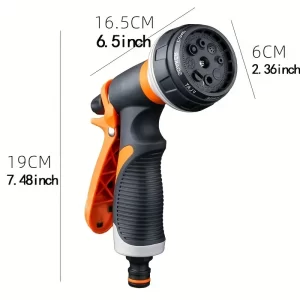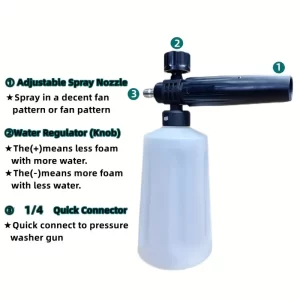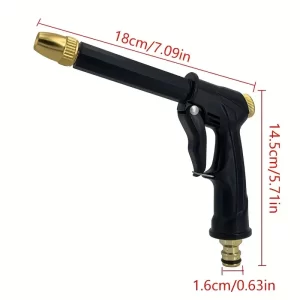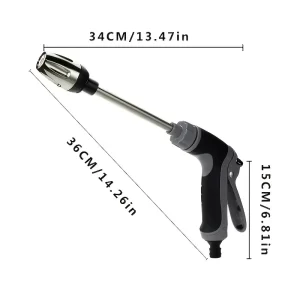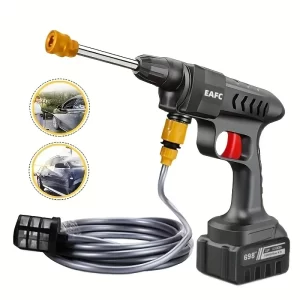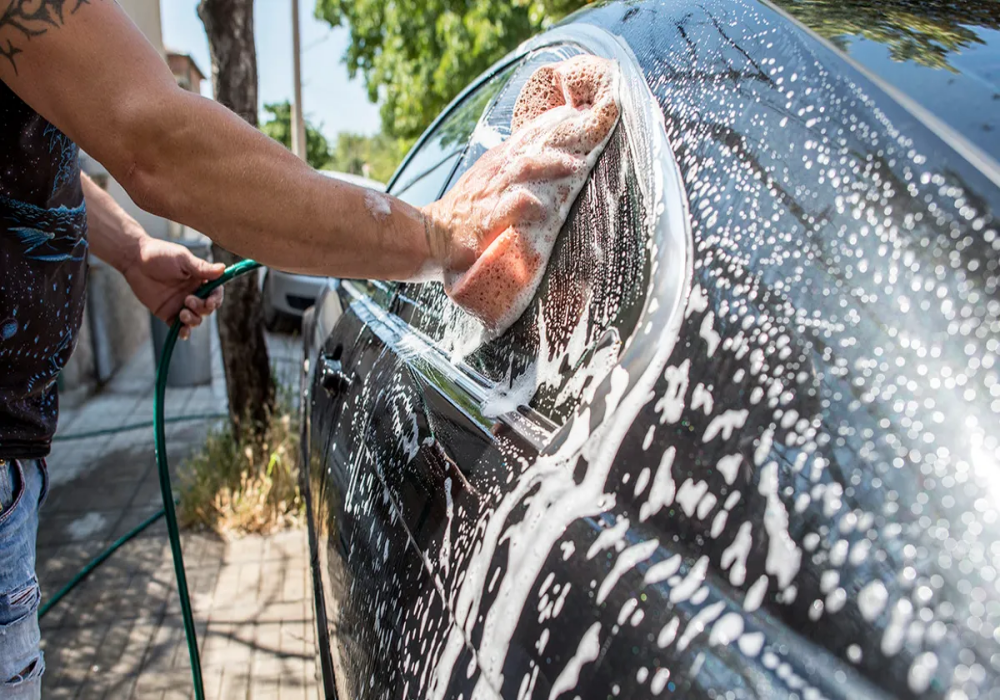
Maintaining a clean car is essential for its appearance and longevity. Many car owners opt for household car washing water guns to achieve a professional-level clean at home. However, concerns about potential damage to the car’s paintwork or components may arise. By exploring factors such as water pressure, nozzle selection, and proper usage techniques, we will provide insights to help you make an informed decision about using a water gun for car washing.
Understanding Water Pressure
One of the primary concerns when using a household car washing water gun is the water pressure and its impact on the car’s surfaces. It’s important to select a water gun with adjustable pressure settings to ensure you can control the force applied. Too high pressure may cause paint damage or chip off protective coatings, while too low pressure may not effectively remove dirt and grime. Finding the right balance is crucial to avoid potential harm.
Choosing the Right Nozzle
The nozzle selection plays a significant role in determining the impact of the water gun on your car. Different spray patterns, such as wide-angle fan spray or concentrated jet spray, serve specific purposes. For general car washing, a wide-angle fan spray is recommended as it provides even coverage without applying excessive pressure. However, when tackling stubborn dirt or debris on wheels or other surfaces, a concentrated jet spray can offer more targeted cleaning power. Always consider the surface you are cleaning and choose the appropriate nozzle accordingly.
Maintaining Proper Distance
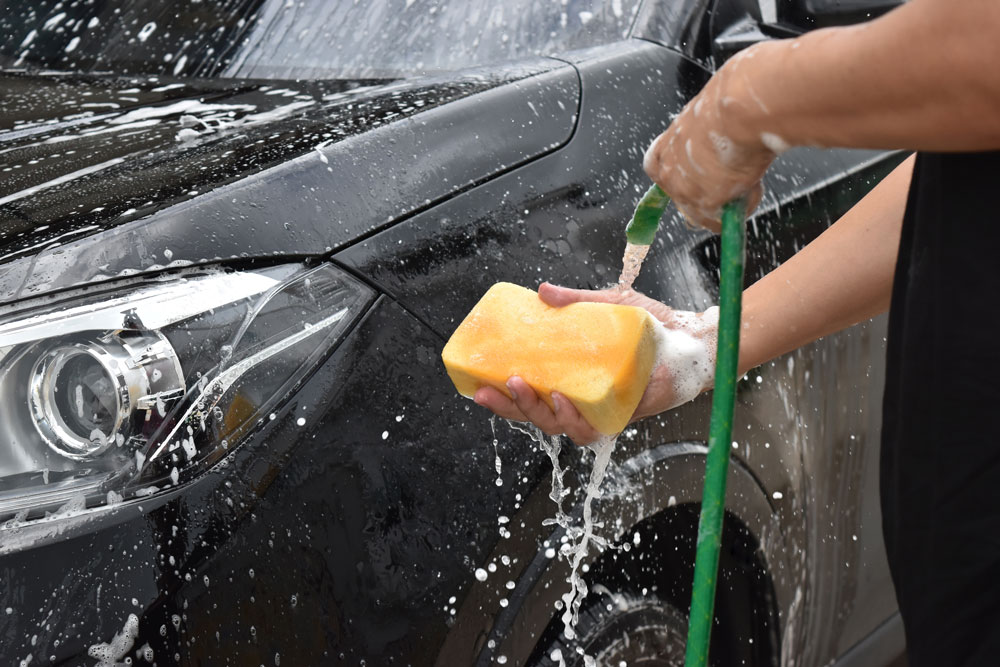
Maintaining a proper distance between the water gun and the car’s surface is crucial to avoid potential damage. Holding the water gun too close can increase the pressure and risk scratching the paintwork. It is recommended to keep a distance of around 12 to 18 inches from the car’s surface while washing. By maintaining this distance, you can ensure the water pressure is distributed evenly and minimize the chance of accidental damage.
Preventing Excessive Dwell Time
Allowing water to dwell on the car’s surface for an extended period can potentially cause damage, especially if you are using harsh chemicals or detergents. Avoid leaving the detergent or soap on the car for too long before rinsing it off with the water gun. This will help prevent any adverse reactions or potential harm to the paintwork or other surfaces. Follow the recommended dwell time provided by the manufacturer of the cleaning products you are using.
Avoiding Sensitive Areas
Certain areas of the car, such as electronic components, sensitive sensors, or delicate trims, require extra care during the cleaning process. It is advisable to avoid directing high-pressure water directly at these areas to prevent any potential damage. If necessary, use a lower-pressure setting or a more gentle spray pattern to clean these sensitive parts. Additionally, be cautious around loose or damaged trim pieces, as high-pressure water may cause them to become dislodged or further damaged.
Regular Maintenance and Care
To minimize the potential impact of a household car washing water gun on your car, regular maintenance and care are essential. This includes ensuring the water gun is clean and free from debris that could clog the nozzle or cause damage. Additionally, regularly inspecting the nozzle and replacing it if worn or damaged is crucial to maintain optimal performance and prevent unintended harm to the car’s surfaces.
Using a household car washing water gun can be a safe and effective way to clean your car, as long as certain precautions are followed. By selecting a water gun with adjustable pressure settings, choosing the appropriate nozzle, maintaining a proper distance, preventing excessive dwell time, avoiding sensitive areas, and performing regular maintenance, you can minimize any potential negative impact on your car. Remember to use the water gun responsibly and follow proper car washing techniques to keep your vehicle clean and well-maintained for years to come.