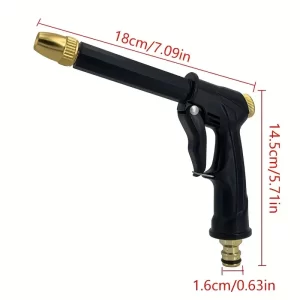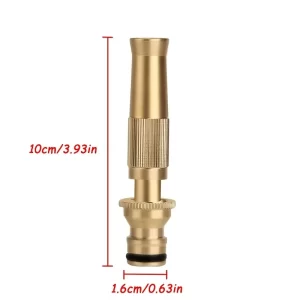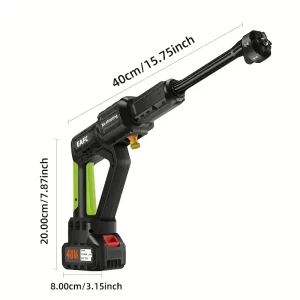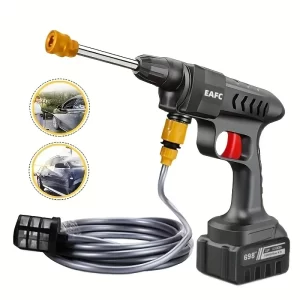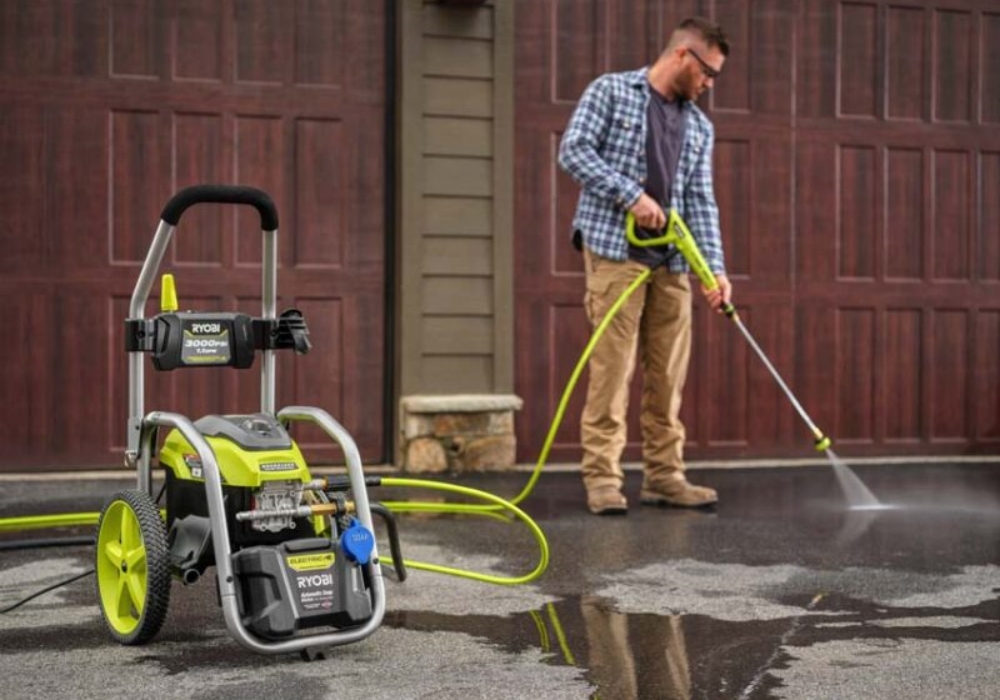
Pressure washer guns are available in various models, each with unique features and power sources. Two popular options are electric and gas-powered pressure washer guns, each offering distinct advantages and disadvantages. Understanding the differences between these types can help users make informed decisions based on their specific cleaning needs. In this comprehensive comparison, we will explore the pros and cons of both electric and gas-powered pressure washer guns.
Electric-Powered Pressure Washer Guns:
Pros:
- Environmentally Friendly : Electric-powered pressure washer guns produce zero emissions, making them an eco-friendly option for users conscious of their environmental impact.
- Ease of Use : These guns are typically lighter and easier to maneuver than their gas-powered counterparts, making them more user-friendly, especially for beginners.
- Quieter Operation : Electric-powered pressure washer guns operate with less noise, making them ideal for use in residential areas where noise restrictions may apply.
- Low Maintenance : They require minimal maintenance, as they do not need fuel refills or oil changes, making them a convenient and cost-effective option for users seeking a hassle-free cleaning experience.
Cons:
- Limited Portability : Electric-powered pressure washer guns rely on a power source, restricting their portability and range of use, particularly in areas without accessible power outlets.
- Lower Power Output : These guns typically have lower pressure and water flow rates compared to gas-powered models, which may result in reduced cleaning efficiency for tougher tasks.
- Dependency on Power Source : They are reliant on a stable power source, making them less suitable for use in remote locations or areas prone to power outages.
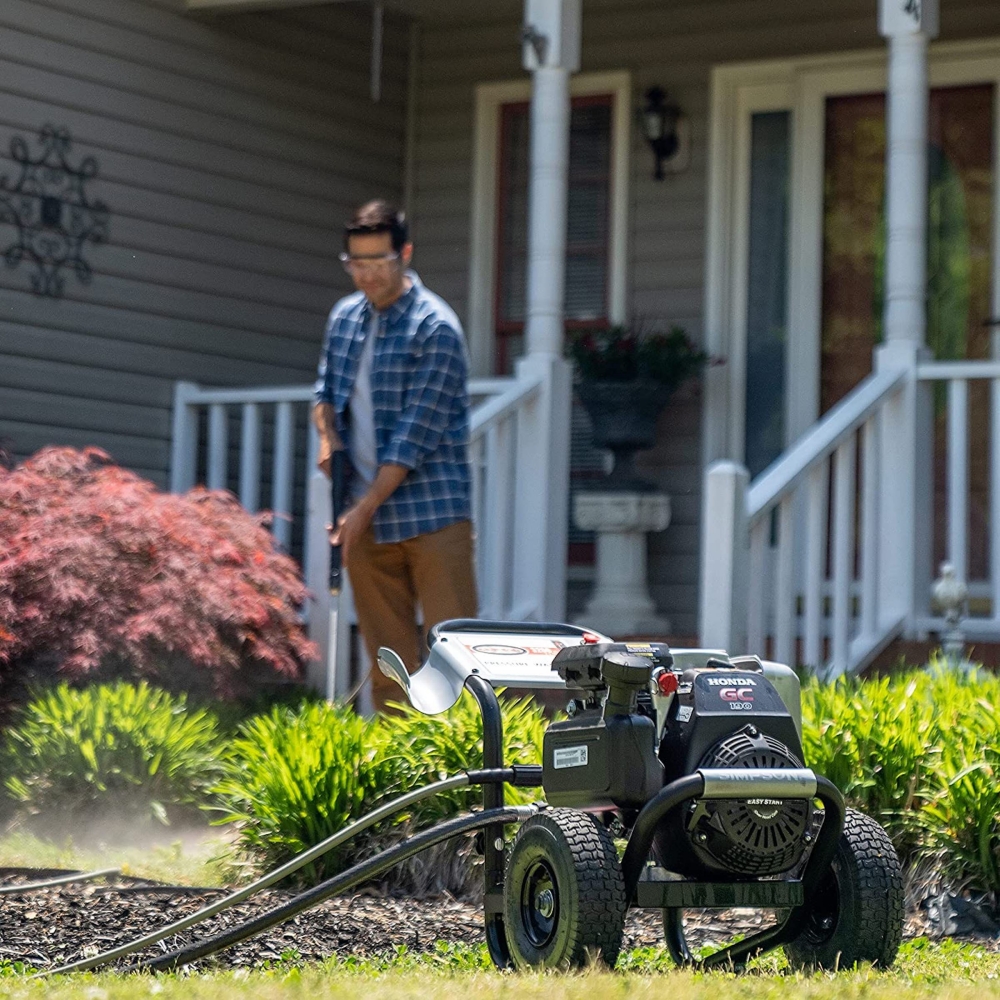
Gas-Powered Pressure Washer Guns:
Pros:
- High Power Output : Gas-powered pressure washer guns deliver higher pressure and water flow rates, making them more suitable for heavy-duty and commercial cleaning applications.
- Enhanced Portability : These guns do not rely on a power source, offering greater flexibility and mobility for use in remote locations or areas without accessible electricity.
- Versatility : Gas-powered pressure washer guns are well-suited for a wide range of applications, including cleaning large surfaces, driveways, and commercial areas, due to their high power and portability.
- Increased Durability : They are typically more durable and robust, designed to withstand heavy use and tough cleaning tasks, making them a reliable option for long-term, intensive cleaning projects.
Cons:
- Heavier and Bulkier : Gas-powered pressure washer guns are generally heavier and bulkier, which can make them more challenging to transport and maneuver, especially for users with limited physical strength.
- Higher Maintenance : They require more extensive maintenance, including regular fuel refills, oil changes, and engine maintenance, which can add to the overall operational costs and time investment.
- Noisier Operation : Gas-powered models tend to operate with more noise, which can be a consideration in residential areas or locations with noise regulations.
Choosing between electric and gas-powered pressure washer guns depends on specific cleaning requirements, preferences, and the intended usage environment. While electric-powered models offer ease of use, eco-friendliness, and low maintenance, gas-powered options provide higher power output, enhanced portability, and increased durability. By carefully considering the pros and cons of each type, users can select the most suitable pressure washer gun to meet their cleaning needs effectively and efficiently.