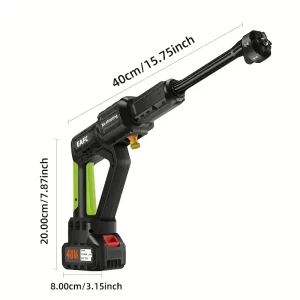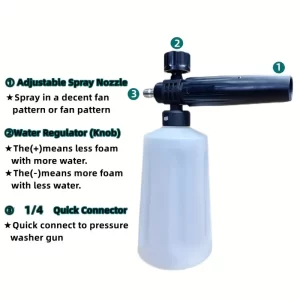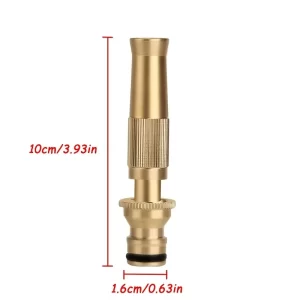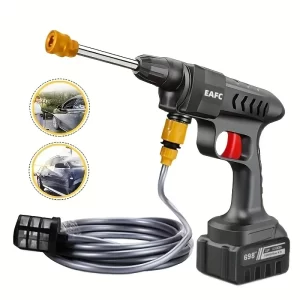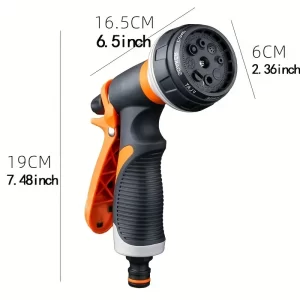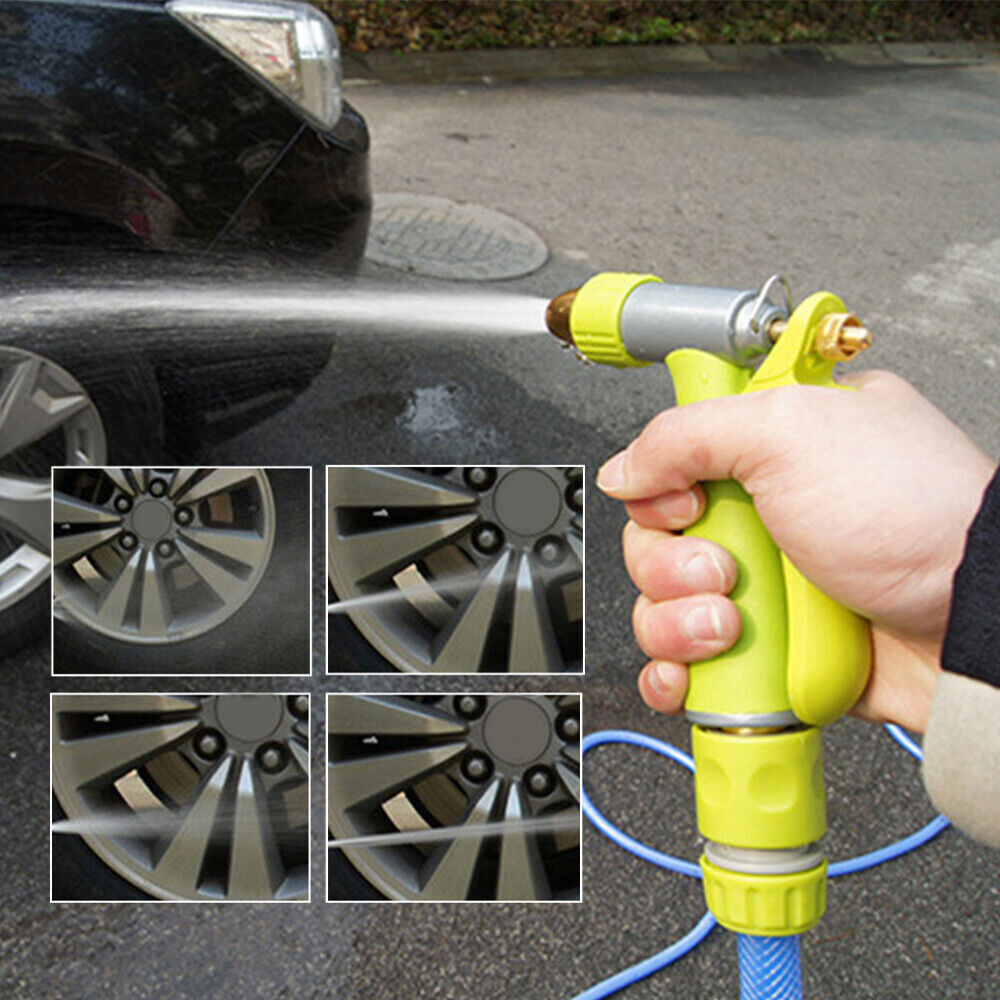
High-pressure car wash water guns are a popular tool for car owners who want to clean their vehicles quickly and efficiently. However, there are many misconceptions about using high-pressure car wash water guns that can prevent car owners from taking advantage of this powerful cleaning method. In this article, we will address some of the most common misconceptions of high-pressure car wash water guns and provide accurate information to help car owners make informed decisions about their car washing needs.
Misconception #1: High-pressure water can damage the car’s paint.
One of the most common misconceptions about high-pressure car wash water guns is that the high-pressure water can damage the car’s paint. While it is true that high-pressure water can be powerful, it is important to note that the pressure of the water is not the only factor that can cause damage to the car’s paint. Other factors, such as the distance between the nozzle and the car, the angle of the water stream, and the type of nozzle used, can all impact the pressure and intensity of the water.
To prevent damage to the car’s paint, it is important to use the appropriate nozzle for the type of car being washed and to maintain a safe distance between the nozzle and the car. Additionally, car owners should use a high-quality soap designed for car washing to help protect the paint and avoid using harsh chemicals or abrasive materials that can damage the paint or other surfaces of the car.
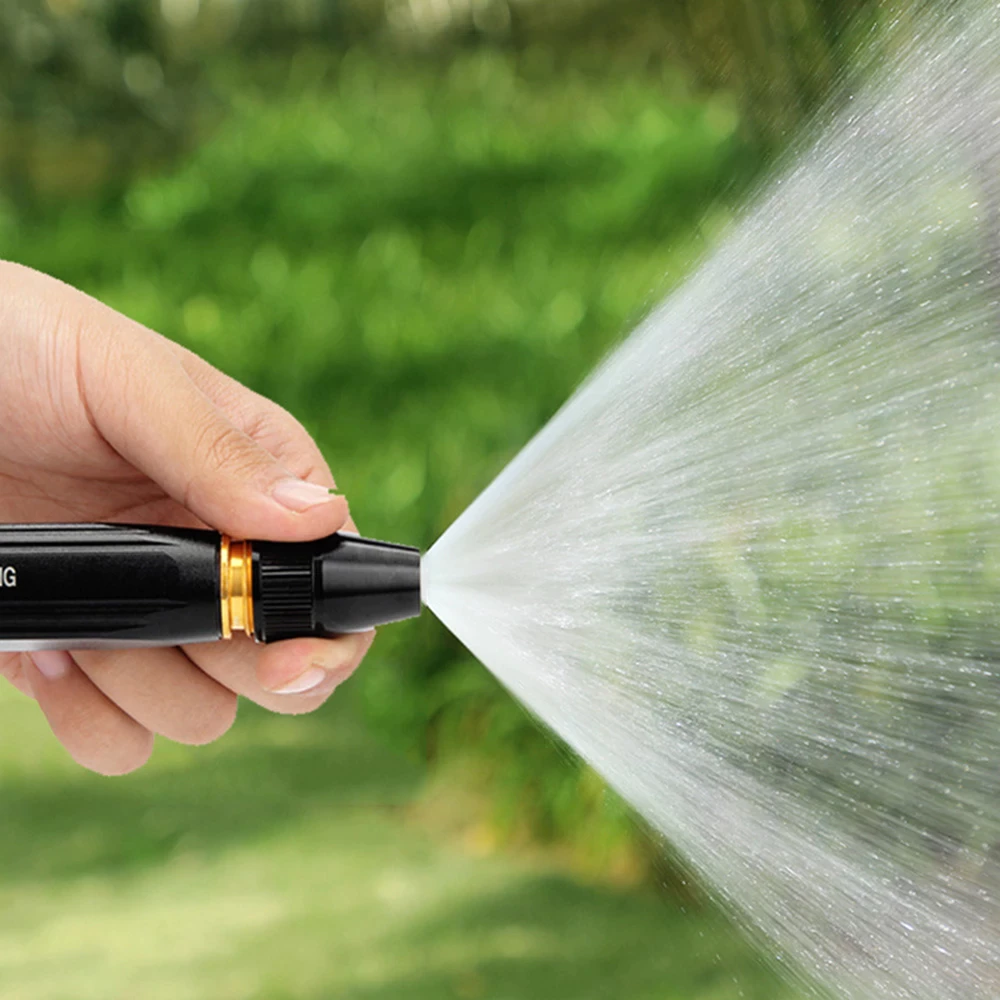
Misconception #2: High-pressure water can remove the wax from the car’s surface.
Another common misconception about high-pressure car wash water guns is that the high-pressure water can remove the wax from the car’s surface, leaving the car unprotected and vulnerable to damage. While it is true that high-pressure water can remove some types of wax, it is important to note that not all waxes are created equal.
Many modern waxes are specifically designed to withstand high-pressure water and other harsh environmental conditions. Additionally, car owners can choose to apply a protective coating or sealant after washing their car to help protect the paint and extend the life of the wax.
Misconception #3: High-pressure water can cause rust on the car’s surface.
Another common misconception about high-pressure car wash water guns is that the high-pressure water can cause rust on the car’s surface. While it is true that exposure to water can contribute to rust formation, it is important to note that high-pressure water alone is not enough to cause rust.
Rust formation is primarily caused by the combination of moisture, oxygen, and metal. This means that if there is already rust on the car’s surface, high-pressure water can potentially cause the rust to spread. However, if the car’s surface is free of rust, high-pressure water alone will not cause rust formation.
Misconception #4: High-pressure water is too powerful for delicate car parts.
Another common misconception about high-pressure car wash water guns is that the high-pressure water is too powerful for delicate car parts, such as the mirrors, headlights, and taillights. While it is true that some car parts are more delicate than others, it is important to note that most high-pressure car wash water guns come with a variety of nozzles and pressure settings that can be adjusted to suit different cleaning needs.
To avoid damaging delicate car parts, car owners should choose the appropriate nozzle and pressure setting for the job and maintain a safe distance between the nozzle and the car parts being washed. Additionally, car owners can use a soft brush or sponge to gently clean delicate car parts if necessary.
Misconception #5: High-pressure water is not environmentally friendly.
Finally, a common misconception about high-pressure car wash water guns is that they are not environmentally friendly. While it is true that high-pressure water